Supportive seating
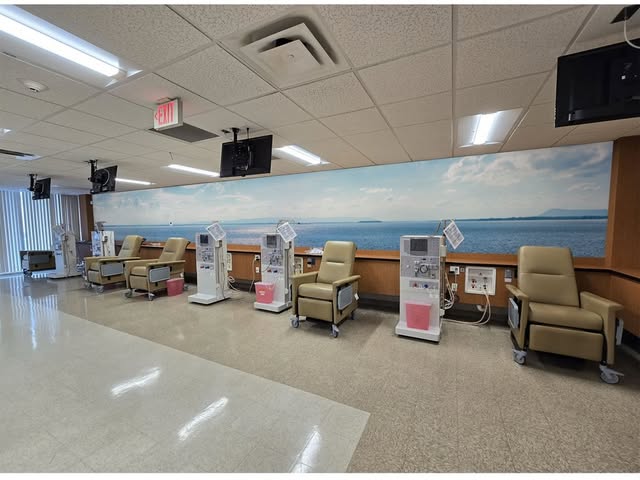
Treatment chairs are arranged for longer visits, with space for staff to provide care and for patients to settle in.
 Contact us
03 — Comfortable setting
Dialysis visits can take time. A welcoming environment, a clear plan, and small personal comforts can help the day feel more manageable.

Comfort with a purpose
Comfort does not replace clinical care. It supports dignity, communication, and the ability to settle into a recurring treatment routine.
Treatment chairs are arranged for longer visits, with space for staff to provide care and for patients to settle in.
An open, organized treatment room helps the care team observe the environment and respond when a patient needs attention.
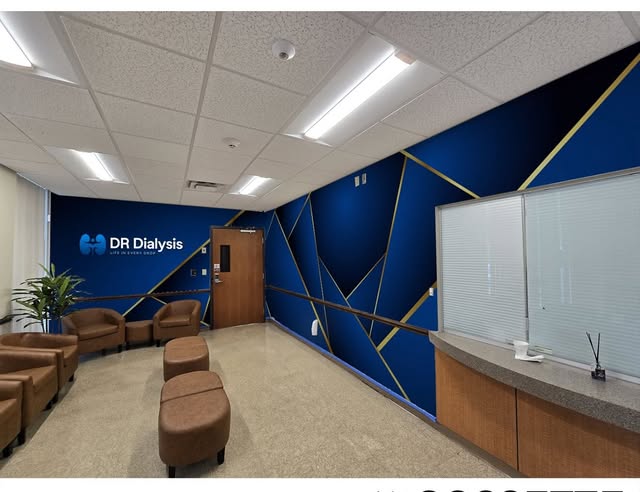
Natural imagery, a consistent palette, and an uncluttered room can make a clinical environment feel less overwhelming.
Temperature, transportation, accessibility, language, and caregiver questions deserve attention before the first appointment.

Prepare for your visit
Always follow instructions from your own licensed care team. These are general planning ideas, not medical directions.
Treatment rooms may feel cool, and the care team needs clear access to your vascular-access area.
Headphones, a book, a tablet, or another approved activity can help make the time feel more personal.
Ask the team what to expect after treatment and arrange help if your licensed clinician recommends it.
Tell the center about mobility, communication, language, sensory, or caregiver needs when you schedule.
Before your first treatment
Medicare’s dialysis-facility checklist encourages patients to consider cleanliness, accessibility, staff communication, room temperature, parking, and whether a tour is available.
Ask the team a question →Your next step
Request an available time or contact the team with questions about treatment, support, or planning your first visit.