Prescription-led settings
The care team programs treatment around the clinician’s prescription, including the session plan and individualized fluid-removal goal.
 Contact us
02 — Modern technology
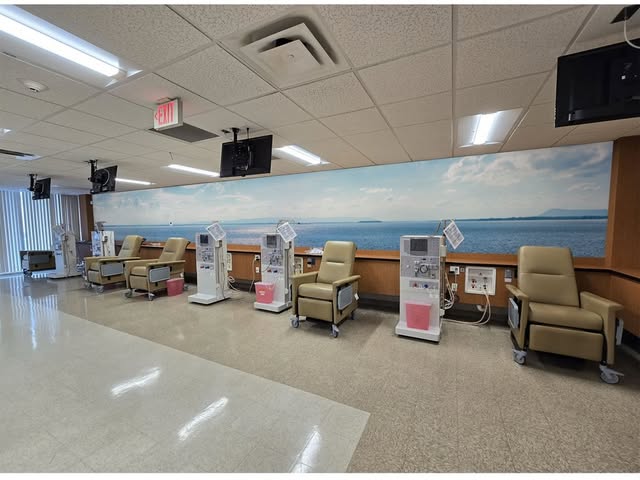
Modern in-center hemodialysis combines prescription-based equipment with attentive clinical monitoring. The machine performs the filtration process; trained people interpret, observe, and respond.

What the equipment supports
Machine models and specific features vary by facility. This overview explains the role of modern in-center hemodialysis technology without making unverified brand or equipment claims.
The care team programs treatment around the clinician’s prescription, including the session plan and individualized fluid-removal goal.
Dialysis equipment monitors treatment conditions and uses alarms to alert trained staff when something needs attention.
Technology supports care, but it does not replace observation. Staff also monitor vital signs, the access, and how the patient feels.
Session information and lab results help the licensed team evaluate the plan and discuss changes when clinically appropriate.
A typical in-center session
Exact steps depend on the patient’s prescription, access type, clinical needs, and the facility’s protocols.
Weight, blood pressure, pulse, and the vascular access are commonly checked before the session begins.
Trained staff prepare the access and connect the patient to the machine according to the prescribed treatment.
The machine and care team monitor the session while the patient is encouraged to report discomfort or changes.
After treatment, the access and vital signs are reassessed and post-treatment weight may be recorded.

Safety is more than a screen
Your next step
Request an available time or contact the team with questions about treatment, support, or planning your first visit.